
How to Run a Solo Law Practice Without Burning Out
Why solo practice wears lawyers down, and the boundaries, systems and attention habits that make it sustainable, with the ethics limits on automating intake and billing.

From the outside, some solo practices look like success: a full caseload, steady revenue, a name people know. From the inside, the lawyer is working past midnight several nights a week, missing family events and wondering how long it can last.
The profession's distress is documented. A 2016 study by Patrick Krill, Ryan Johnson and Linda Albert, funded by the Hazelden Betty Ford Foundation and the ABA Commission on Lawyer Assistance Programs and published in the Journal of Addiction Medicine, surveyed 12,825 licensed, employed attorneys. It found that 20.6% screened positive for hazardous, harmful or potentially alcohol-dependent drinking, and that 28%, 19% and 23% had symptoms of depression, anxiety and stress. Rates were highest among younger lawyers and those in their first years of practice, and problem drinking was more common among lawyers in private firms. The study did not single out solo practitioners, and nothing in it shows solos are worse off than other lawyers.
What solos do have is a particular structure that makes overload easy and recovery hard. That structure can be changed.
If you are struggling now, start with your state's lawyer assistance program. These programs offer confidential help with stress, mental health and substance use. The ABA keeps a directory of lawyer assistance programs by state.
Why solo practice wears people down
Every role, one person. In a larger firm, other people handle intake, filing, billing and scheduling. In a solo practice, the lawyer does all of it, switching between a complex legal problem and updating a contact record many times a day. That switching is tiring in a way the hours alone do not capture.
The billable-hour lens. If your rate is $300, two hours of administration feel like $600 lost. Non-billable work then carries financial anxiety on top of the workload.
No buffer. Clients have your direct line. Messages arrive at all hours. Without a front desk or a colleague, every urgent request lands on you, and the practice never fully switches off.
None of this is inevitable. Most solos inherit this structure by default rather than choosing it.
Decide what you are building
Define your service boundary. Specify the matter types you take and the ones you do not. A family lawyer who takes everything from simple uncontested divorces to high-conflict custody cases swings between routine work and the most emotionally draining work in the profession. A narrower boundary makes intake, marketing and workload easier to manage.
Set a capacity ceiling before you hit it. Pick a maximum number of active matters and make intake enforce it. This is also an ethics point: Comment [2] to Model Rule 1.3 says "A lawyer's work load must be controlled so that each matter can be handled competently." Our guide to managing a high caseload as a solo covers the tracking systems.
Be honest about what you need. Some lawyers do well on six hours of sleep. Others need eight hours, exercise and free weekends to keep their judgment sharp. Neither is a character flaw. Both are operating limits your practice should be designed around.
Cut the administrative load
Software can take over much of the routine work. It cannot take over your professional judgment, and the rules still hold you responsible for what it does. ABA Formal Opinion 512 (2024) applies the duties of competence, confidentiality, communication, supervision and reasonable fees to generative AI tools.
Intake. Online forms, automatic acknowledgments, questionnaires and self-scheduling can handle the logistics between first contact and consultation. Two steps still need you. A conflicts search can be run by software, but deciding whether a conflict exists and what to do about it is your call. And the engagement agreement's scope and fee terms are yours to set and explain. Opinion 512 also says that when a self-learning AI tool could expose client information, the client's informed consent is required before you put that information into it. Our guide to automating client intake covers the setup.
Scheduling. Self-scheduling links with your available windows, buffers and protected work blocks end the back-and-forth over meeting times.
Billing. Automated invoice generation, online payment and scheduled reminders take most of the effort out of billing. Review each bill before it goes out. Opinion 512 is explicit that hourly bills must reflect actual time, and the fee must be reasonable under Rule 1.5.
Documents. Templates for engagement letters, routine correspondence and standard forms, filled from matter data, cut drafting time. Read every output before it leaves the office.
For a practical view of which tools are worth paying for, see our review of AI tools worth using for solo attorneys.
Protect your attention
Block time for deep work. Drafting, analysis and strategy need uninterrupted time. Calls, email and administration do not. Mixing them all day does both badly. Set fixed blocks for legal work and batch calls and email into set windows. Expect some client resistance at first, and explain the reason: their matter gets your full attention during its block.
Make asynchronous communication the default. Tell clients your normal response time for non-urgent messages, such as one business day, and how to reach you for something genuinely urgent. This is a service standard, not a limit on your ethical duty. Model Rule 1.4 still requires you to keep clients reasonably informed and respond promptly to reasonable requests.
Review capacity monthly. A ceiling set once and never checked does not protect you. Each month, look at matters nearing resolution, matters that are taking more time than expected, and whether to accept new work.
Rethink the trade-off
Many lawyers find boundaries hard because each one feels like choosing themselves over a client in need. That framing is understandable, and it is wrong.
An exhausted lawyer makes worse decisions. Clients are not served by a lawyer whose judgment and attention are degraded. The rules recognize the extreme case: Model Rule 1.16(a)(2) requires a lawyer to withdraw when "the lawyer's physical or mental condition materially impairs the lawyer's ability to represent the client." Long before that point, sustainable hours are part of competent representation, not a trade against it.
It also helps to stop seeing solo practice as a test of personal endurance. Think of it as a small institution: documented processes, sensible tools, clear limits and, when the work justifies it, help from staff or contract lawyers.
What a sustainable solo practice looks like
- A defined service boundary and an enforced capacity ceiling.
- Intake logistics handled by systems, with conflicts decisions and engagement terms handled by the lawyer.
- Billing, scheduling and routine documents automated, with the lawyer reviewing what goes out.
- Set hours, protected blocks for legal work, and stated response times.
- A monthly look at capacity and a plan for getting help when the numbers say so.
It does not do less work. It puts the lawyer's time on the work that needs a lawyer.
This article is general information for lawyers, not legal advice. Rules of professional conduct differ by jurisdiction; check your state's rules and bar ethics opinions before relying on anything here. See our disclaimer and editorial standards.
Lexfora is practice-management software for solo and small law firms, currently in early access. Request early access.
About this article
This is practice-management guidance, not legal advice, and reading it creates no attorney-client relationship. Rules on advertising, fee arrangements and trust accounting vary by state — check your own jurisdiction's rules and your bar's guidance before acting on anything here.
Put these systems on rails
Turn your intake, matter workflows, client updates and billing into repeatable systems with Lexfora.
Request Early AccessRelated Articles
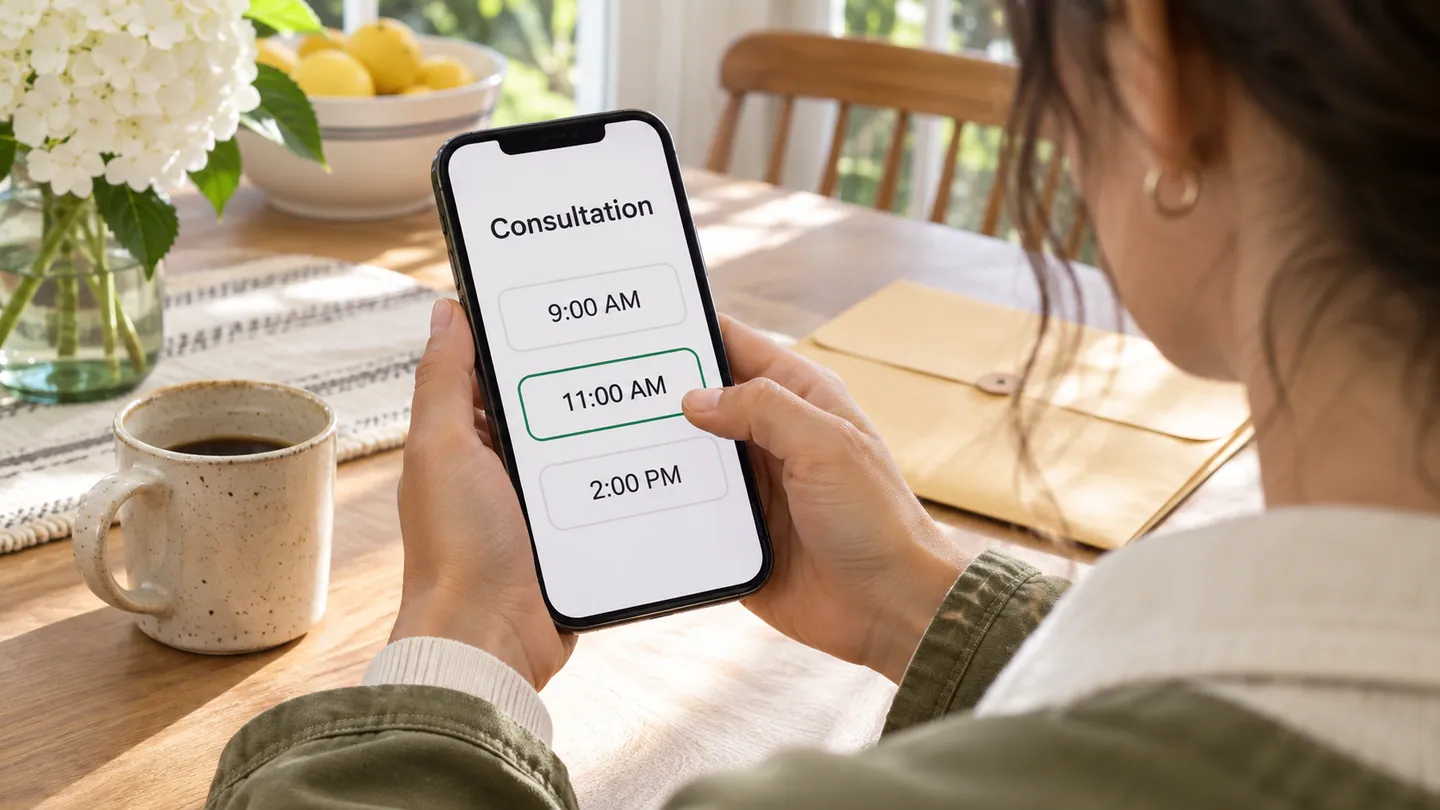
The Solo Attorney's Complete Guide to Automating Client Intake
How to automate client intake from first inquiry to signed engagement letter, while meeting your Rule 1.18 duties to prospective clients.
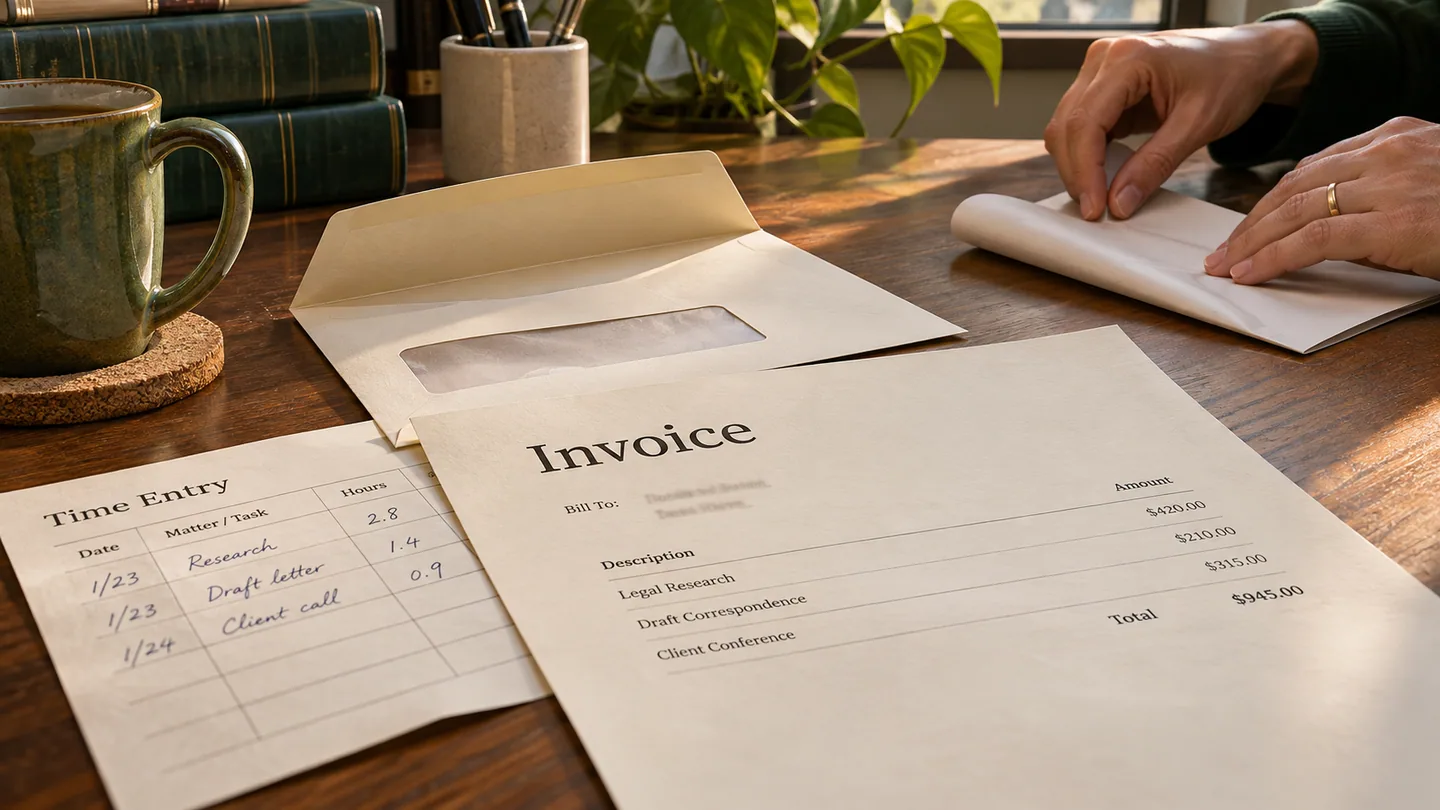
Solo Law Firm Billing Best Practices: How to Get Paid Faster
How solo attorneys close the gap between work done and money collected: contemporaneous time records, faster invoices, automated follow-up, and trust-compliant advance payments.

How to Manage 50+ Active Cases as a Solo Practitioner
Systems that let a solo attorney handle a high caseload without missed deadlines or neglected clients, and the Rule 1.3 duty to keep the workload at a level each matter can be handled competently.